Finishing a renovation should be the point when you can finally enjoy the result. The builders leave, the flooring is down, the walls are painted — and then the dust appears again.
You clean everything, only to find another fine layer the following morning.
You wipe the shelves, vacuum the floors and clean the windows, yet the room can still feel as though the building work never really ended.
This is one of the most common problems after renovation, decorating, extensions and other construction work.
Builders' dust behaves very differently from the everyday dust found in an occupied home.
Why Is There So Much Dust After Renovation?
Building work produces extremely fine particles that can spread far beyond the area where the work actually happened.
Materials such as plaster, cement, wood, grout, filler and other construction products can produce fine dust during cutting, sanding, drilling and installation.
Larger debris is relatively easy to see and remove. Fine dust is different.
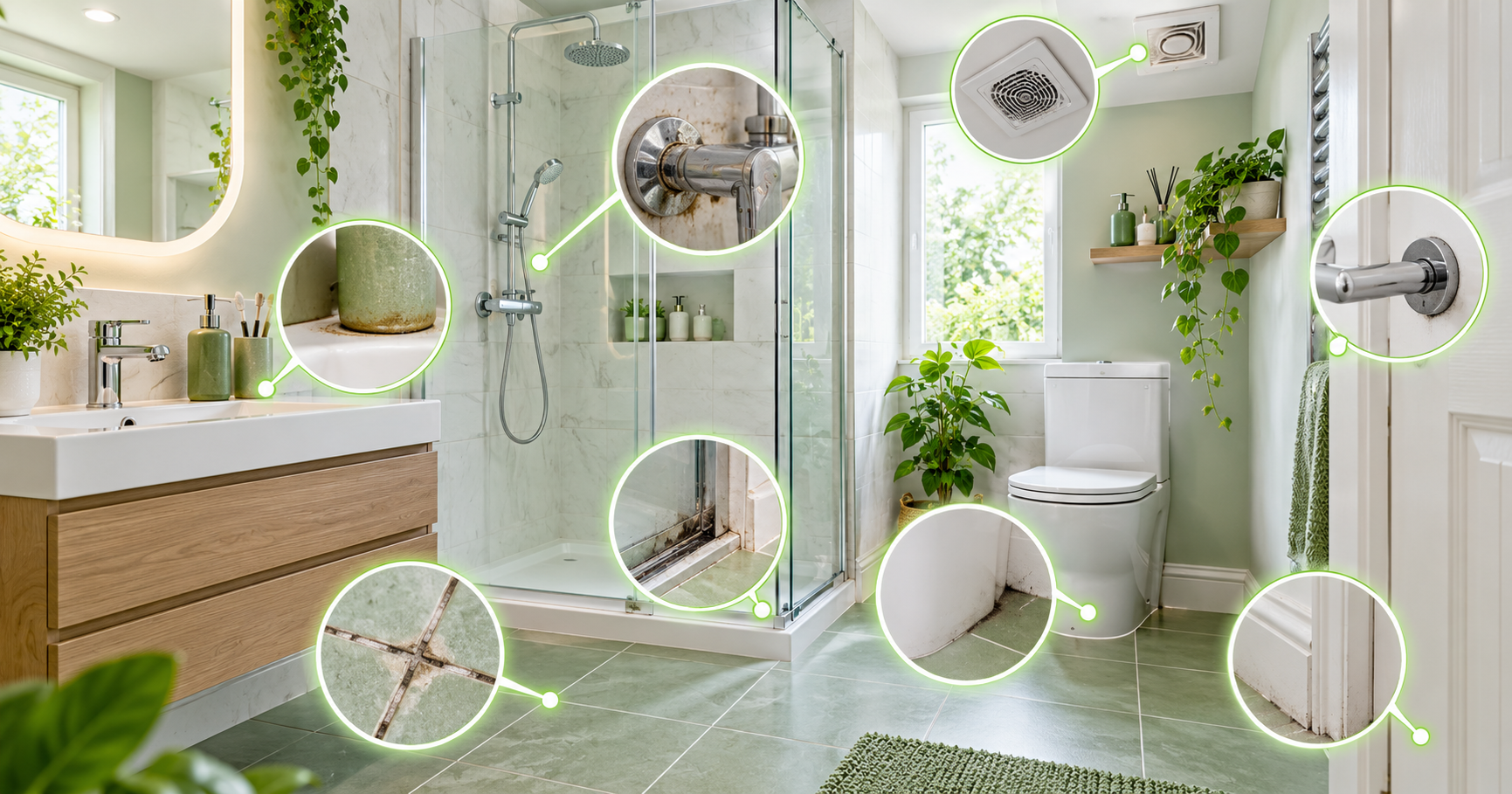
It can settle on walls, doors, light fittings, window frames, skirting boards and furniture. It can also find its way into corners, cupboards, ventilation areas and spaces behind radiators or appliances.
Walking through the property, opening doors or simply moving furniture can disturb these particles again.
Usually, the Dust Isn't New. It's Being Disturbed Again.
Fine particles can remain on vertical surfaces and higher areas that are easy to miss during a quick clean.
For example, cleaning the floor while leaving dust on top of door frames means some of that dust will eventually fall back down.
The same can happen with shelves, sockets, radiators, window frames and other surfaces throughout the property.
A room can look clean immediately after vacuuming and still develop another visible layer of dust several hours later.
Ordinary Vacuuming May Not Be Enough
Vacuuming is an important part of the process, but it is rarely the whole solution.
After building work, dust can be present across almost every surface in the room. Cleaning only carpets and floors leaves plenty of material elsewhere that can later become airborne again.
Repeatedly running a household vacuum around the room without cleaning higher surfaces first can therefore become frustrating.
A more effective approach is to work from the top of the room down.
Don't Forget the Places You Cannot Immediately See
Some of the dirtiest areas after renovation are not the most obvious ones. A quick visual check of the open floor is not enough.
These areas may seem unimportant individually, but together they can hold a surprising amount of fine construction dust. Once people begin using the room normally again, movement can gradually spread that dust back into the surrounding space.
Paint, Plaster and Adhesive Residue Need Different Treatment
Dust is not the only thing left behind after building or decorating work.
Small spots of paint, dried plaster, grout residue and adhesive can remain on windows, tiles, floors and fittings.
Newly installed surfaces can be surprisingly easy to mark, and aggressive cleaning can turn a small residue problem into permanent surface damage.
A product that is safe for one type of flooring, tile or worktop may not be suitable for another. Scraping residue without considering the surface underneath can also cause scratching.
Post-construction cleaning should therefore identify both the residue and the material it is attached to before deciding how to remove it.
Clean Before You Fully Move Back Into the Room
Whenever possible, carry out the final clean before the room is completely furnished and returned to everyday use.
An empty or mostly empty room gives much better access to floors, corners, skirting boards and other areas that may later be covered by furniture.
It also prevents clean belongings from being placed into an environment where fine dust is still settling.
If you're renovating an entire house, extension or apartment, planning the final cleaning stage in advance can make the transition back into the property considerably easier.
Should You Clean After Building Work Yourself?
For smaller decorating projects, a careful DIY clean may be perfectly manageable.
Start by allowing dust to settle before cleaning, work systematically from higher areas towards the floor and avoid simply moving dry dust from one surface to another.
Renovations are different when several rooms have been affected, large amounts of fine dust are present or paint and building residue need to be removed from delicate surfaces.
At that point, the cleaning can become a project in itself.
Professional after builders cleaning is designed specifically for the stage between the construction team leaving and the property being ready to use normally again.
When Is the Best Time to Book After Builders Cleaning?
Ideally, the main construction work should be completely finished before the final clean begins.
If tradespeople are still sanding, drilling, cutting or carrying materials through the property, more dust will simply be created after cleaned areas are finished.
Enjoy the Renovation Without the Dust
A newly renovated room should feel new — not as though you are still living on a building site.
Persistent dust after construction usually means fine particles are still hiding across surfaces that have not yet been thoroughly cleaned.
Tackling the property systematically, from high areas down to the floors, helps prevent that frustrating cycle of dust disappearing and returning.
Turn the Finished Project Into a Space That's Ready to Use
Go Green Cleaning provides professional After Builders Cleaning across Dublin, Kildare and Meath for renovated homes, apartments, new builds and commercial properties.
Once the builders have finished, a thorough final clean can help remove the remaining fine dust, marks and residue so the property is actually ready to enjoy.
After Builders Cleaning Get a Free Quote →