There are plenty of reasons why a rug might need to go into storage — but rolling it up without preparing it first can leave you with a very different rug when you eventually need it again.
You may be renovating a room, moving house, changing your interior for a while or simply putting away a rug that you do not currently have space for.
It is tempting to roll it up, cover it and deal with it whenever you need it again.
The problem is that whatever is already in the rug — dust, food particles, pet hair, moisture, stains or odours — will be stored with it.

Why Clean a Rug Before Storing It?
Rugs naturally collect dirt over time. Even with regular vacuuming, fine particles can remain deeper within the fibres.
Areas under furniture may also contain dust and debris that are easy to miss during normal household cleaning.
Once the rug is rolled up, all of this stays inside.
Old food residue, pet hair and organic dirt are particularly undesirable during long-term storage. Depending on the material and storage conditions, they can contribute to unpleasant smells and may make the rug more attractive to certain household pests.
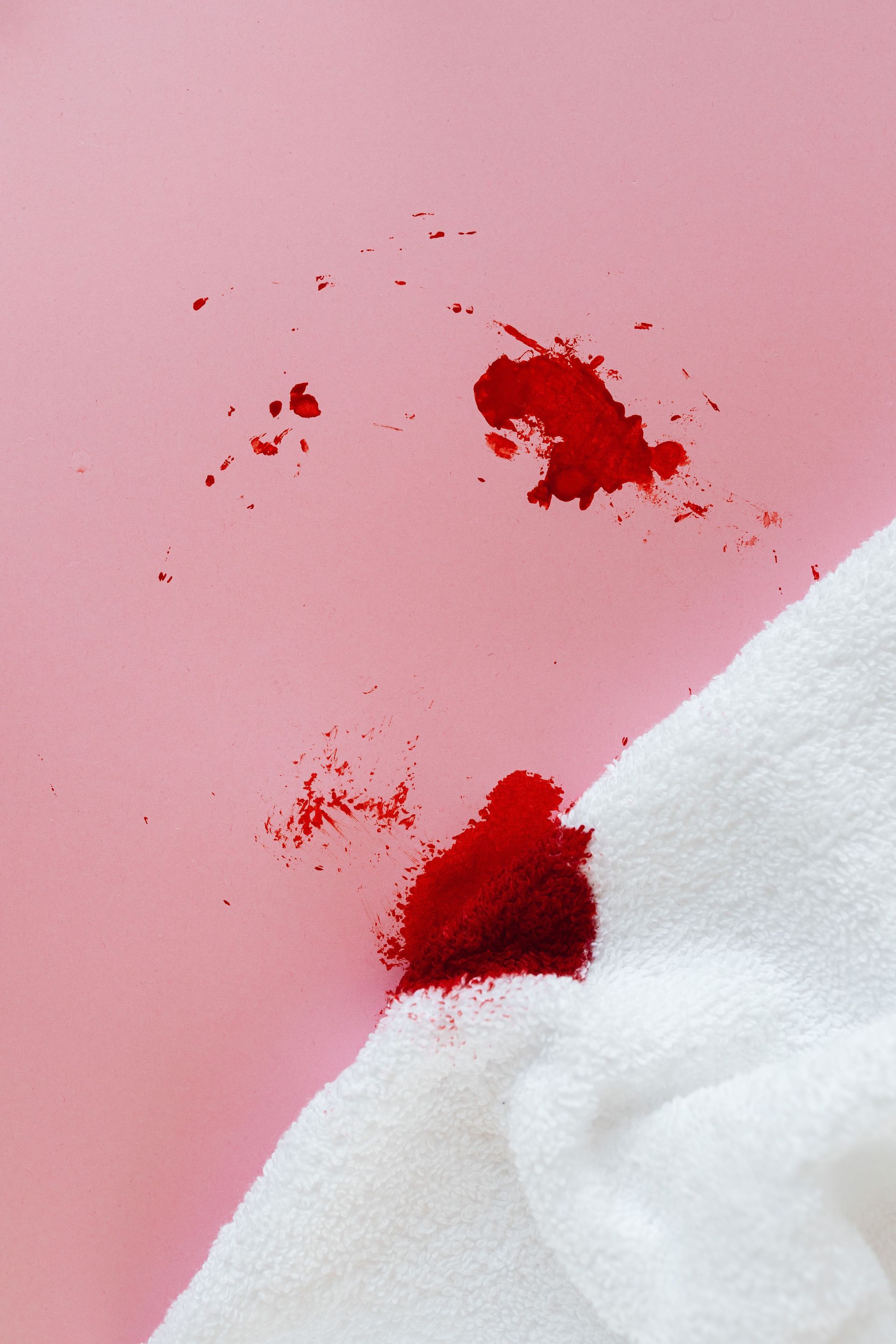
Existing stains can also become more difficult to deal with after being left untreated for months.
Vacuum Both Sides Before You Roll It Up
The top of the rug gets almost all the attention during routine cleaning, but the underside should not be forgotten.
Fine grit can work its way through the pile and settle underneath, particularly on rugs placed over hard flooring.
Before storage, vacuum the front thoroughly and, where appropriate for the type of rug, carefully clean or vacuum the reverse as well.
Pay particular attention to the edges. Dust and hair can gather around borders and underneath furniture without being immediately visible from above.
Deal With Stains Before Storage, Not Afterwards
If there is a visible stain, it is better to address it before rolling the rug away.
Coffee, food, muddy footprints and pet accidents can leave more than a mark on the surface. Some spills contain oils, sugars or other residues that remain in the fibres even when the stain appears relatively minor.
Months in storage will not make these residues disappear.
At the same time, avoid aggressively scrubbing a valuable rug with whatever household product happens to be available.
Different fibres and dyes react differently to moisture and cleaning solutions. Wool, synthetic fibres and handmade rugs should not automatically be treated in exactly the same way.
If you are unsure what the rug is made from, or the stain has already resisted normal cleaning, professional treatment can be safer than experimenting immediately before storage.
Make Sure the Rug Is Completely Dry
This is one of the most important parts of preparing a rug for storage.
A rug may feel dry on the surface while still retaining moisture deeper in its pile or backing, particularly after spot cleaning or washing.
Once the rug is tightly rolled and placed somewhere with limited airflow, that moisture has nowhere useful to go.
The result can be musty odours and conditions in which mould or mildew is more likely to develop.
If the rug has recently been cleaned, give it enough time to dry completely before packing it away. Trying to save a few hours at this stage can create a much bigger problem months later.
Roll the Rug Instead of Folding It
For most larger rugs, rolling is preferable to folding.
Leaving a rug folded for an extended period can create deep creases that may be difficult to flatten when the rug is used again.
Start with the rug clean and dry, then roll it carefully and evenly without forcing it into an excessively tight cylinder.
The direction in which a particular rug should be rolled can depend on its construction, so delicate, handmade or unusually valuable rugs deserve extra care.
Be Careful With Plastic Wrapping
It may seem logical to seal a rug as tightly as possible in plastic to protect it from dust.
For short transport, plastic can certainly help keep a rug clean. Long-term storage can be different.
If any moisture is trapped inside completely sealed packaging, poor ventilation can make the situation worse.
The correct wrapping method also depends on the material of the rug and the environment in which it will be stored.
For valuable or delicate rugs, ask a professional about suitable storage preparation for the specific material.
Choose the Storage Location Carefully
Where you put the rug matters just as much as how you wrap it.
A damp garage, shed or poorly ventilated storage area may expose the rug to major changes in temperature and humidity.
Where possible, choose a clean, dry indoor environment with reasonably stable conditions.
Even when rolled, prolonged pressure can distort parts of the rug or damage its edges.
Don't Forget About the Rug for Years
Long-term storage should not necessarily mean completely ignoring the rug.
If it is being stored for an extended period, occasionally checking its condition is sensible.
Look for signs of moisture, unusual smells, damage to the wrapping or any evidence that pests have reached the storage area.
This is particularly worthwhile for wool, handmade, antique or sentimental rugs that would be difficult or expensive to replace.
What If You're Storing a Rug During a Renovation?
Renovation is one of the most common reasons for temporarily removing rugs.
Do not clean the rug professionally and then put it back into a room where sanding, plastering or building work is still producing fine dust.
Instead, remove the rug from the work area and store it somewhere protected.
If it will remain stored for a long period, cleaning it first is generally the better option. If it is only being removed for a few days, protecting it carefully from construction dust may be enough until the work is finished.
Should You Professionally Clean a Rug Before Storage?
Not every rug needs professional cleaning every time it is moved.
A relatively new rug that has been regularly maintained, has no stains and is only being stored briefly may simply need thorough vacuuming and careful packing.
Specialised cleaning may also be particularly important for rugs whose fibre, construction, age or value requires more careful treatment.
The objective is not to make the rug perfect immediately before hiding it away. It is to avoid storing dirt and problems that may be harder to deal with later.
Store It Clean, Dry and Ready to Use Again
A good rug can remain part of a home for many years, but how it is treated when it is not being used matters too.
Before long-term storage, remove accumulated dirt, address stains, make sure the rug is completely dry and choose an appropriate place to keep it.
Those simple precautions can help prevent an unpleasant surprise when it is finally time to unroll the rug again.
Prepare Your Rug Properly Before Long-Term Storage
Go Green Cleaning provides professional rug cleaning across Dublin, Kildare and Meath, including care for wool, synthetic, Persian, Oriental, handmade and other types of rugs.
If your rug is going into storage after years of regular use, having it properly cleaned first can help ensure that what you pack away is fresh and ready to use again.
Rug Cleaning Get a Free Quote →