
Eco-Friendly Cleaning Products vs Traditional Chemicals: What's the Difference?
Walk down the cleaning aisle of any supermarket and you'll find shelves packed with products promising powerful results, most of them built around strong synthetic chemicals designed to cut through grease, grime and stains as quickly as possible. Eco-friendly alternatives have grown enormously in popularity in recent years, but plenty of homeowners still wonder whether they can genuinely match traditional chemical cleaners when it comes to actual cleaning performance.
Traditional cleaning chemicals typically rely on strong solvents, bleach, or ammonia-based compounds to break down dirt and kill bacteria quickly. They're often very effective in the short term, but they can also leave behind residues, strong fumes and, in some cases, irritation for anyone with sensitive skin, respiratory conditions or allergies. Households with young children or pets often find themselves reading labels carefully, keeping certain products locked away, and ventilating rooms thoroughly after use, precautions that speak to just how harsh many of these formulations really are underneath their pleasant packaging.
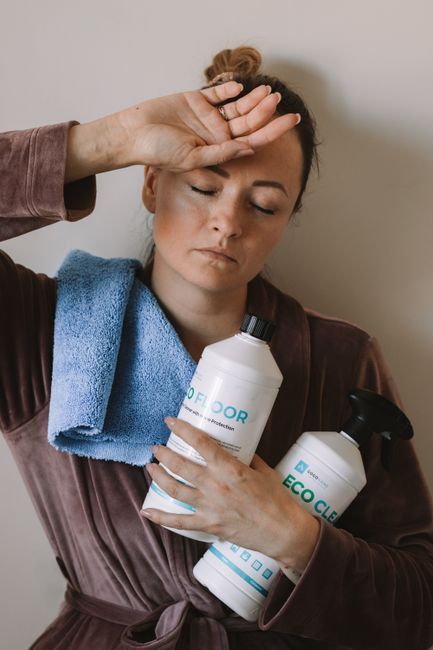
Eco-friendly cleaning products, by contrast, are formulated using plant-based or biodegradable ingredients that break down naturally rather than lingering in the environment or in your home's air after use. Modern eco-friendly formulations have improved dramatically over the past decade, and many now perform comparably to traditional chemicals for everyday cleaning tasks, without the same lingering fumes or residues left behind on surfaces, carpets and upholstery that people and pets come into direct contact with daily.
The environmental impact is another significant difference worth considering. Traditional cleaning chemicals often end up washed down drains and eventually into waterways, where certain compounds can be genuinely harmful to aquatic life and take a long time to break down naturally in the environment. Eco-friendly products are specifically designed to biodegrade far more readily, reducing this long-term environmental footprint considerably, which matters increasingly to homeowners who care about the broader impact of everyday household choices, not just what happens inside their own four walls.
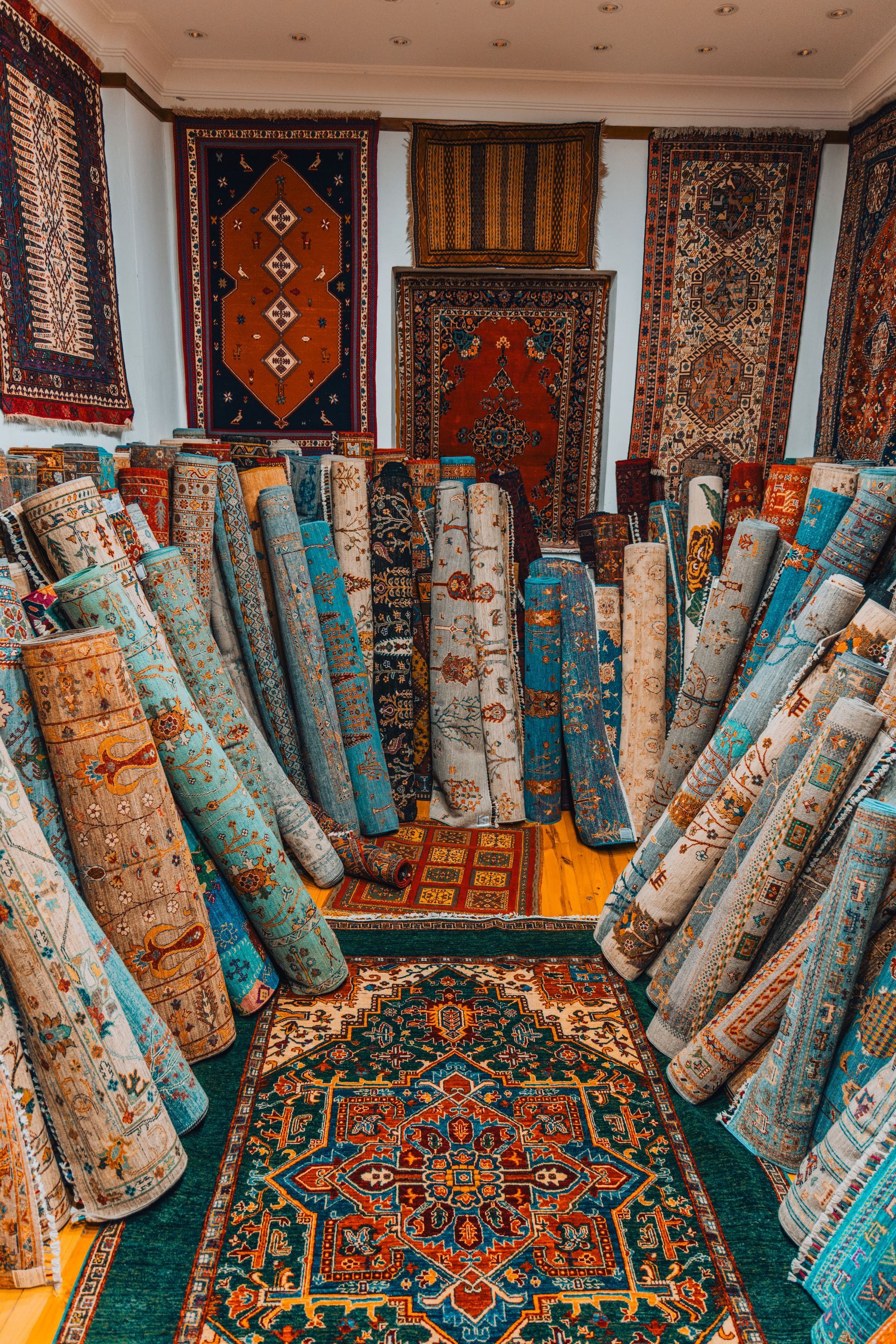
For carpet and upholstery cleaning specifically, the choice of product matters even more than it does for a quick kitchen wipe-down, since these are surfaces people and pets spend hours in direct physical contact with every single day. Harsh chemical residues left in carpet fibres can continue off-gassing for some time after cleaning, particularly in less well-ventilated rooms, while eco-friendly alternatives break down more completely and leave less behind in the fabric itself once the cleaning process is finished.
Is your home currently relying on products that prioritise speed over safety, without you necessarily realising the trade-off being made? It's a reasonable question worth asking, particularly for households with babies who spend a lot of time on the floor, or family members managing asthma, eczema or other sensitivities that can be aggravated by harsh chemical residues left behind after cleaning.
Go Green Cleaning uses eco-friendly products across all of our services in Dublin, Kildare and Meath, from carpet and upholstery cleaning to full deep cleans, without compromising on the professional-grade results our customers expect and rely on. We believe effective cleaning and environmental responsibility aren't mutually exclusive, and our approach proves it on every job. Contact us to experience the difference eco-friendly, professional-grade cleaning can make in your home.